Sustainability
Caring for animals, people, and the environment since 1927
A legacy of care
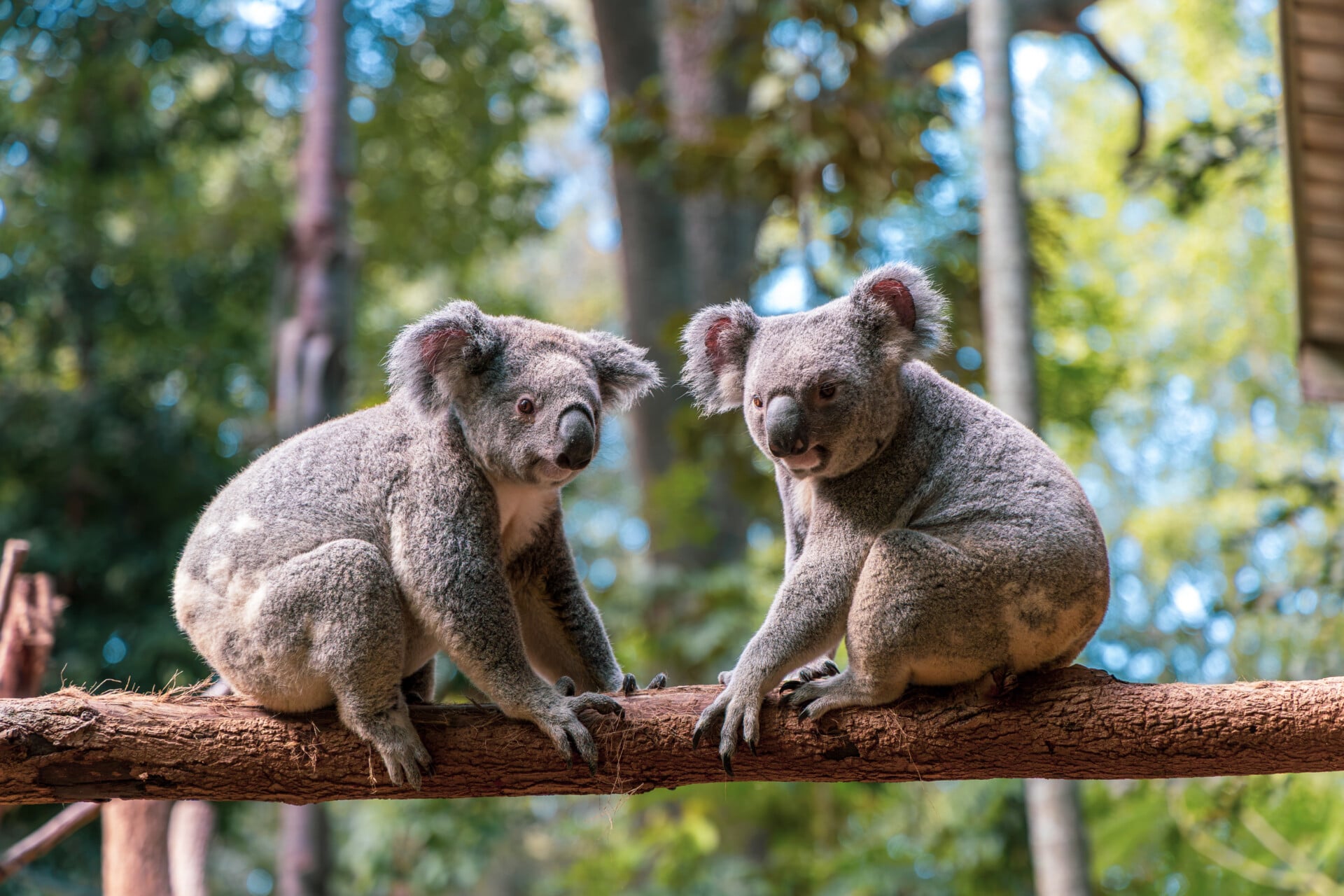
Founded in 1927 as a safe refuge for sick, injured, and orphaned koalas, Lone Pine Koala Sanctuary was created at a time when koalas were hunted for their fur. From the very beginning, caring for wildlife and protecting their habitats has been at the heart of everything we do.
Nearly 100 years on, we continue that legacy, expanding our focus beyond animal care to include sustainable practices that protect the environment they depend on.

Our Commitment
Waste Management
We’re committed to changing the way we think about waste, aiming to divert as much as possible from landfill. More than half of the waste we produce is organic material such as food scraps, animal waste, coffee grounds, and compostable packaging. All of this is now collected and composted off-site, turning it into a valuable resource for gardens. Recyclables including cans, glass, plastic bottles, and cardboard are recovered, while unavoidable waste is managed through Veolia’s methane extraction system, converting it into energy for households. We also run a Containers for Change scheme, with 100% of proceeds donated to Bat Conservation & Rescue QLD, helping to rehabilitate native pollinators essential to ecosystem health.
Energy & Climate Action
We’ve invested in innovative, renewable systems to power our sanctuary and care for our animals responsibly. Our Amphibian & Reptile Habitat, Platypus House, and Brisbane Koala Science Institute are all heated and cooled using geothermal technology, which draws on the earth’s stable underground temperature to create a natural climate control system. Large solar arrays on key buildings generate most of our electricity needs while reducing the demand for air-conditioning by shielding against the Queensland sun. To further cut our reliance on fossil fuels, we’ve introduced electric vehicle charging stations and transitioned our maintenance tools to battery power.
Water Conservation
We manage over one million litres of rainwater storage, supplying toilets, gardens, our eucalyptus plantation, and animal water troughs. This resource is essential during droughts, reducing reliance on mains water. Leaf not eaten by our koalas is mulched to retain soil moisture, cutting water use even further. Our Riverside Café lawn doubles as a swale, slowing and filtering runoff before it reaches the Brisbane River, reducing erosion and breaking down pollutants.
Wildlife & Habitat Protection
We are committed to protecting and restoring vital habitats within and beyond our sanctuary. Nearly 80 nesting boxes have been installed on-site to provide safe spaces for possums, birds, and gliders, while our recycled-material “bee hotels” support native pollinators like blue-banded bees. By planting native vegetation and reusing natural resources from our grounds, we’re creating thriving ecosystems and helping local species flourish. Our conservation programs and partnerships extend protection beyond the sanctuary’s boundaries.
Sustainable Suppliers
We partner with businesses that share our environmental values, prioritising suppliers who minimise packaging, use sustainable or recycled materials, and operate with ethical, low-impact practices. From retail to food and beverage, we actively seek local, eco-conscious partners whose products and services support our conservation mission while reducing our collective footprint.
Green Team
Our Green Team unites representatives from every department to actively research, plan, and implement sustainability initiatives across the sanctuary. Meeting regularly, they review our environmental impact, set clear goals, and work hands-on to make meaningful changes in how we manage energy, water, and waste.
From installing innovative technologies that reduce reliance on fossil fuels, to trialling new waste reduction methods and improving water efficiency, the Green Team leads by example, empowering staff to embed sustainable practices into daily routines. They also collaborate closely with local partners, suppliers, and conservation groups to explore fresh ideas and adopt best practices from across the industry.
This collaborative, solutions-focused approach not only strengthens Lone Pine’s commitment to environmental wildlife management but also inspires our visitors and community to join us in building a cleaner, greener future.